


Market Moves
The Capital Question
Private equity has spent the last few years building a well-documented presence in plaintiff firms. What’s newer, according to Taylor Smith at Suite 200 Solutions, is that outside capital is now being explored on the insurance-defense side too.
The logic makes sense on paper: if plaintiff firms are getting better funded, better resourced, and more aggressive with litigation technology, defense firms need a way to keep pace. But bringing in outside capital changes the underlying relationship. Law firm partnerships have traditionally run on independence and long-term client trust, not quarterly return targets. Once external investors are in the room, cost discipline and growth expectations come with them.
For claims and litigation management teams, this is worth watching closely. If both sides of a dispute are increasingly backed by capital chasing a return, the calculus around case duration, settlement posture, and resourcing may start to shift in ways that have nothing to do with the underlying facts of a claim.
Data Centers Are Now Carrying the Construction Market
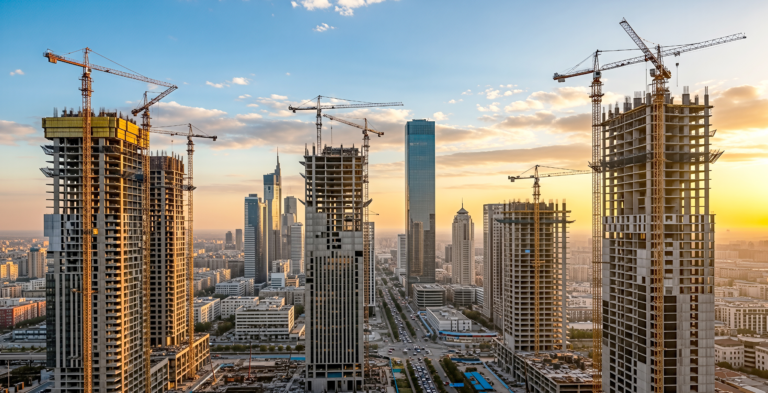
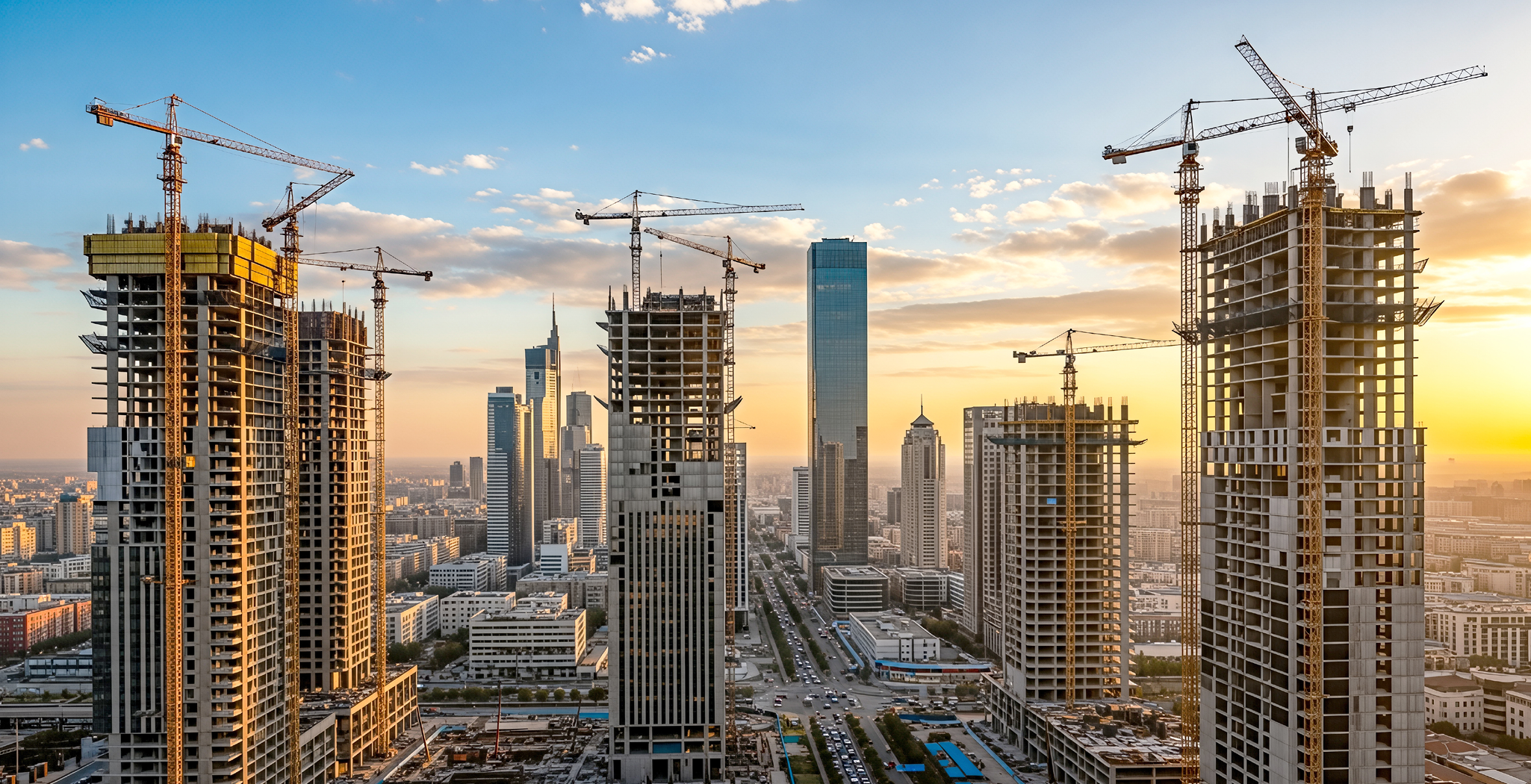
Associated Builders and Contractors’ latest read on nonresidential construction spending found that data centers accounted for the entire month’s growth in July, and once you strip that category out, spending actually fell for the second straight month to its lowest level since 2023. ConstructConnect’s numbers tell the same story from a different angle: data center starts have hit $84.1 billion year-to-date, nearly three times what they were a year ago, and now represent close to a quarter of all nonresidential building construction in the country.
I don’t think it’s an exaggeration to say data centers are propping up the entire nonresidential construction market right now. For anyone in construction claims, this is the space to watch.
Industry Insights
The Litigation Problem
Jack Levy at GLB, PC flagged something worth putting on every contractor’s radar: plumbing and HVAC litigation is picking up. It’s not really about workmanship anymore. Material degradation and environmental interaction are driving a lot of these failures now, in both legacy metal piping and the newer synthetic alternatives. The tricky part is that the cause is often several steps removed from whoever ends up holding the risk.
That’s the uncomfortable part for builders. A failure traced back to municipal water chemistry or an upstream manufacturing change can still pull the installer into litigation, even when the root cause sits well outside their control. As these disputes increasingly hinge on chemistry and materials science rather than straightforward installation error, expect forensic engineers with genuine materials expertise to become even more central to how these claims get resolved.
The Enclosure Problem the Data Center Boom Is Creating
Here’s where the plumbing and HVAC story above and the data center boom start to overlap in a way I think more people should be paying attention to. CLM Magazine’s recent look at data center risk makes a point that stuck with me: claim severity in these projects is increasingly driven by system reliability rather than traditional construction defects, and moisture is a recurring culprit. Because data center construction runs on schedule compression and early procurement of long-lead electrical equipment, switchgear, UPS systems, and battery assemblies can arrive before the building is fully enclosed or environmentally stabilized, creating additional exposure to moisture and other construction conditions. Temporary protection gets used, but it isn’t always enough. That puts an enormous amount of pressure on enclosure design and sequencing to get it right the first time, since the cost of getting it wrong isn’t a cracked tile; it’s a facility-wide reliability failure. If you’re advising on or investigating data center projects, I’d treat enclosure performance and installation sequencing as a claims issue now, not just a design one.
Built Environment Spotlight
A unanimous Supreme Court decision
The most consequential development this edition isn’t from the built environment directly, but its ripple effects will be felt across construction’s supply chain. In a unanimous decision, the Supreme Court has held that state-law negligent-hiring claims against freight brokers are not preempted, according to John Anello of Callahan & Fusco, LLC.
Freight brokers have relied on federal preemption for years as their go-to route to early dismissal in trucking accident litigation. However, now, plaintiffs can dig into how a broker vetted a carrier, what onboarding protocols looked like, and whether safety evaluations were rigorous or superficial, all in open court.
For an industry that moves materials, equipment, and site deliveries constantly, this matters more than it might first appear. Transportation intermediaries and their insurers now need to treat carrier vetting as a genuine risk management discipline. Expect a wave of policy and procedure reviews across the sector as brokers work out what “defensible vetting” actually needs to look like post-ruling.
Looking Ahead
The Data Center Litigation Wave
If I had to pick the single biggest built environment story developing right now, this would be it. Plaintiffs’ firms with serious mass tort experience have started running a litigation strategy against data center operators, and the playbook looks familiar to anyone who’s watched litigation like this evolve before. The core claims center on noise from cooling systems, diesel generators, and HVAC equipment, framed as public and private nuisance and negligence. A Mississippi case brought by residents near a Southaven power plant serving a nearby data center alleges squealing, roaring, and low-frequency rumbling that crosses property lines into homes, and it’s seeking both damages and an injunction on behalf of a class of more than 10,000 people.
It doesn’t stop at noise. In Memphis, the NAACP has filed a Clean Air Act citizen suit against unpermitted gas turbines powering a nearby data center, alleging significant nitrogen oxide, formaldehyde, and particulate emissions in an area already failing federal ozone standards. In Oregon, Amazon Data Services agreed to a $20.5 million settlement in a class action alleging that its data center operations contributed to groundwater nitrate contamination; Amazon denied wrongdoing. And a separate, numerically larger category of suits is challenging the local approvals that let these projects get built in the first place.
The reason I think this belongs squarely in a built environment newsletter rather than just a legal one is what’s driving it: siting decisions, enclosure and equipment choices, power generation methods, and construction sequencing are the actual subject matter of these disputes. This is exactly the kind of litigation where forensic engineering expertise, on noise, air quality, groundwater, and structural siting, is going to be doing a lot of the heavy lifting.